Buying Guides
How to Spot Bootleg Gunpla Before You Pay (2026 Guide)
The fastest way to spot bootleg Gunpla is to check the maker on the box and the price against a known shop before you pay. Bootleg kits copy Bandai's designs under other brand names, and Bandai Namco's own figures show how many are out there: about 19,000 counterfeit finished products and 39,500 runner parts seized for Gundam products in fiscal 2024. This guide sticks to what Bandai Namco, marketplaces and named retailers say, read on October 11, 2026.
TL;DR: Bootleg makers named on Wikipedia include Daban, TT Hongli, Model GD, Elyn Hobby and Dragon Momoko. Made in China is not a warning sign; Bandai makes kits in Japan and China. Match the kit to its Bandai item page, compare the price with US shops, and buy from a seller who names the kit and grade. A missing sticker alone does not prove a fake.
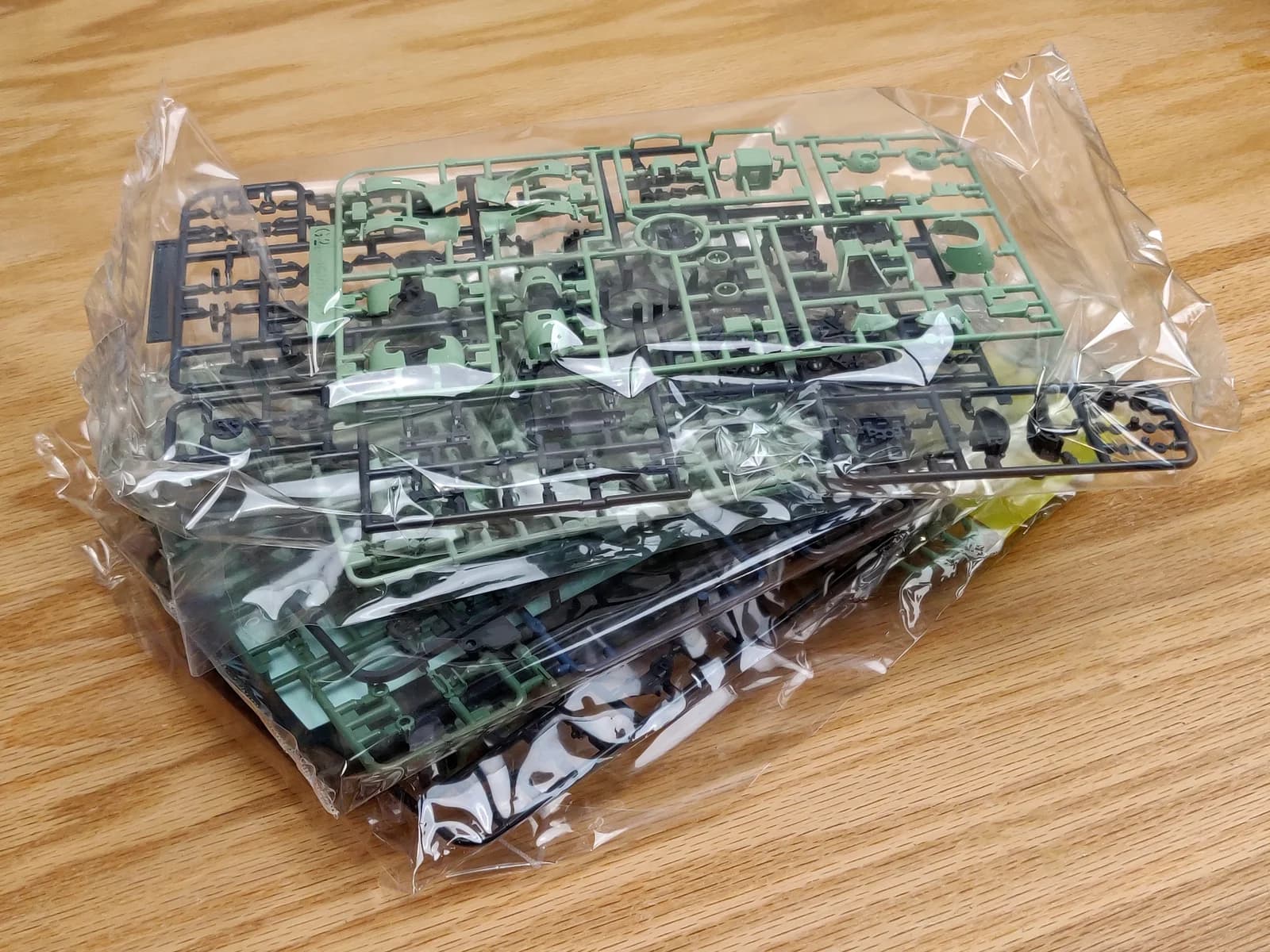
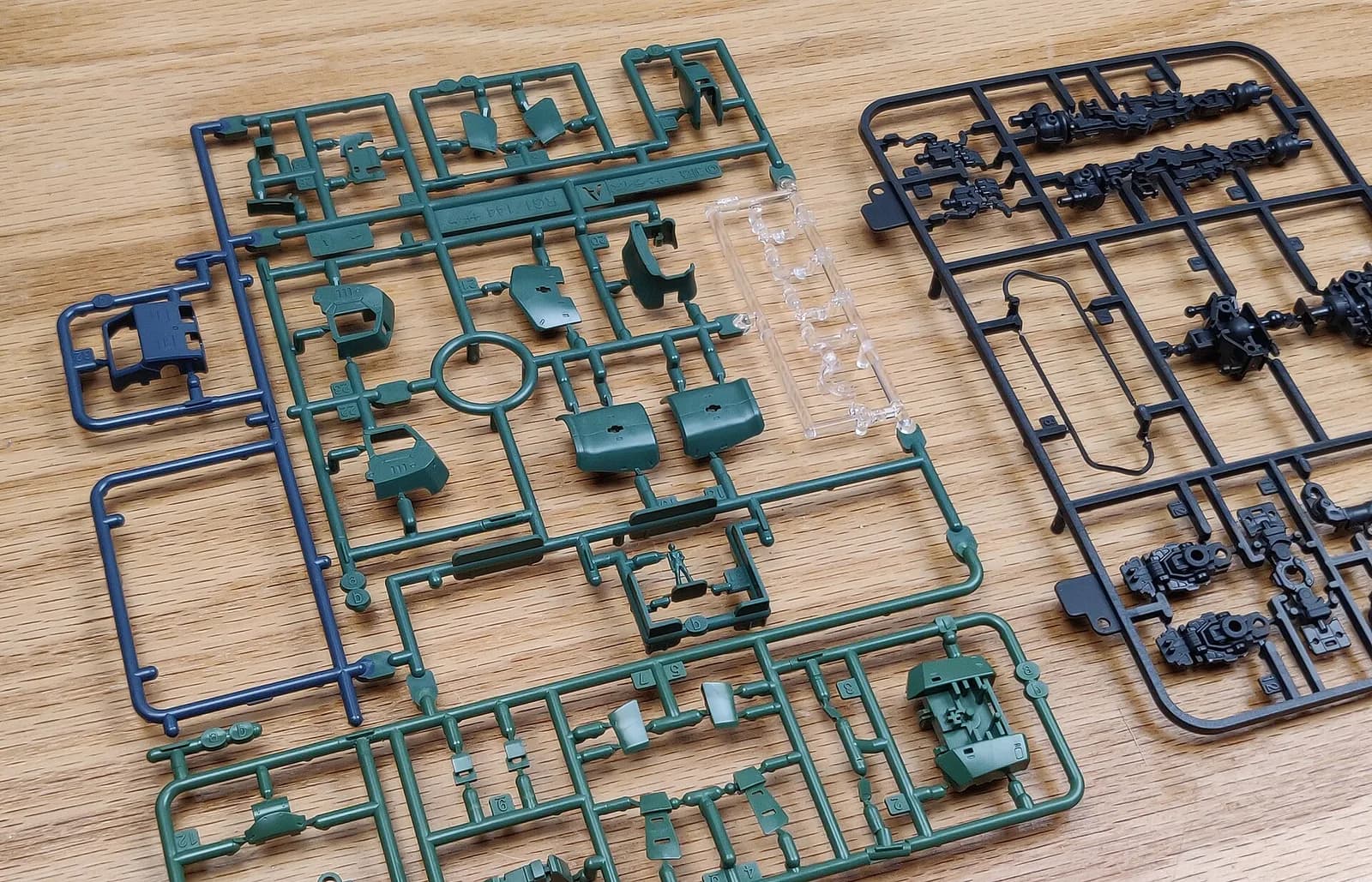
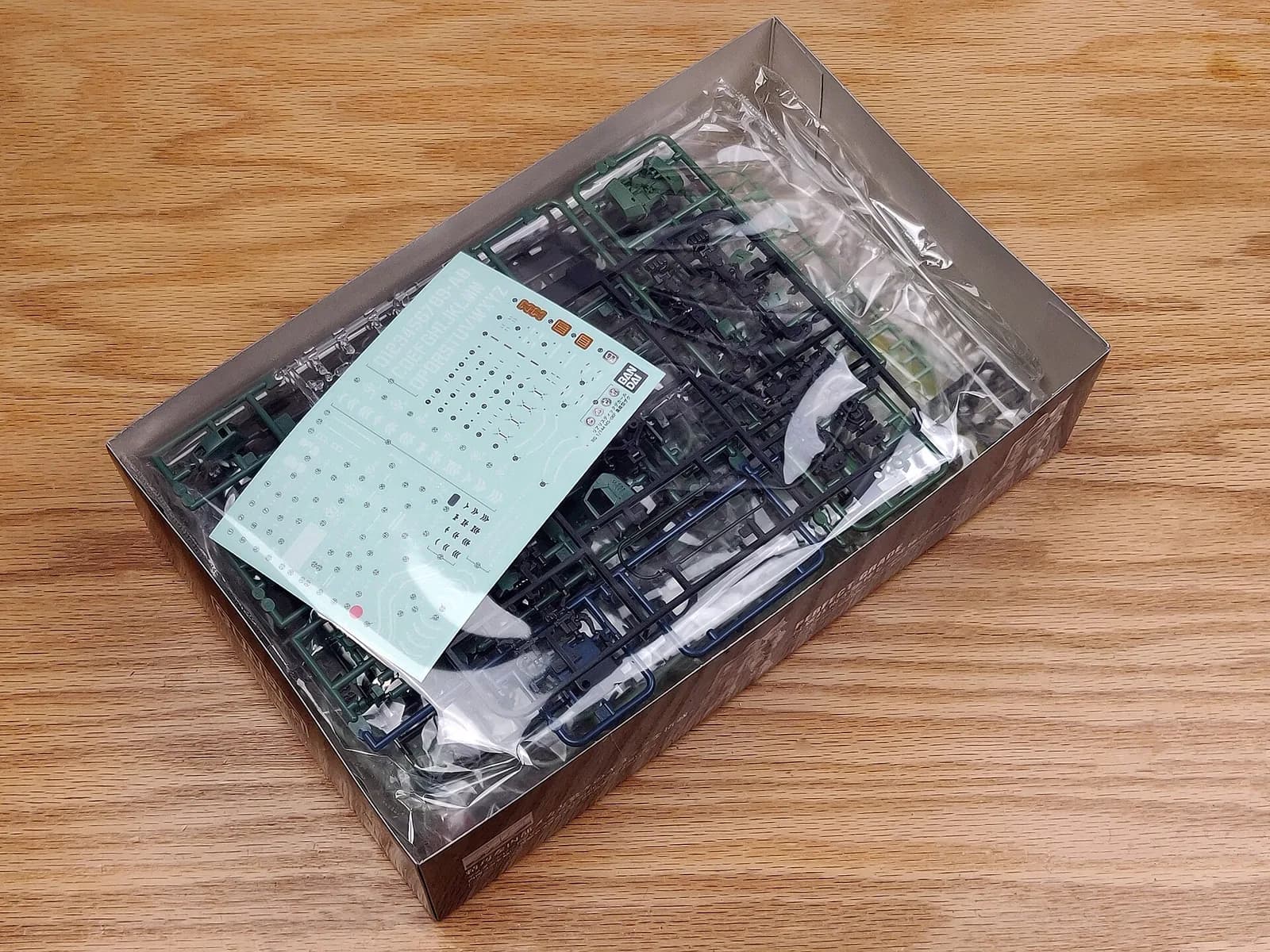
Header photo: all the bagged runners of a genuine Real Grade Zaku II. Gravis / Wikimedia Commons, CC BY-SA 4.0
Key Takeaways
- Bandai Namco's numbers: about 19,000 counterfeit finished products and 39,500 runner parts seized for Mobile Suit Gundam products in fiscal 2024, and more than 30,000 counterfeit products removed from e-commerce sites a year by its AI system.
- Brand names to know: Daban, TT Hongli, Model GD, Elyn Hobby and Dragon Momoko, per Wikipedia.
- Made in China is normal. Genuine Gunpla is made in Japan or China by Bandai.
- No single sign proves a fake. One retailer guide says a missing sticker or small packaging difference does not prove a kit is counterfeit.
- Marketplaces ban counterfeits. eBay's policy bans items designed to mislead buyers into thinking they are genuine.
Overview: what a bootleg Gunpla kit is
A bootleg is a kit made and sold without Bandai's license, usually a copy of a real Bandai kit. Wikipedia's Gunpla article puts it plainly: "Bootleg Gunpla companies include Daban, TT Hongli, Model GD, Elyn Hobby, Dragon Momoko, and more."
The same article explains why the factory country does not help: "Plastic Gundam model kits are manufactured in Japan or China by Bandai, which has an exclusive license in manufacturing and marketing them around the world." A Chinese factory address on a genuine Bandai box is normal.
Not every non-Bandai mecha kit is a bootleg either. The retailer Gundam Place Store notes in its own guide that "a third-party mecha model kit is not automatically a bootleg." The question is whether a kit copies a Bandai product and is sold as if it were one.
Why it matters: quality and safety
Bandai's Japanese anti-counterfeit page on bandai.co.jp gives two reasons. Many imitations are poor quality and disappoint customers (「模倣品には品質が粗悪でお客様を失望させるものも多く」). And some have been found to fail safety standards, with a risk of injury or health damage (「安全面で基準を満たさず、ケガや健康被害を及ぼすリスクがあるものもこれまでに発見されています」). Both are our translations of the company's statement; it does not name specific kits.
How big the problem is
Bandai Namco's IP protection page gives its own figures for Mobile Suit Gundam products in fiscal 2024: it reported "seizing approximately 19,000 counterfeit finished products and approximately 39,500 runner parts." The same page says its AI system "removes more than 30,000 counterfeit products per year" from e-commerce sites.
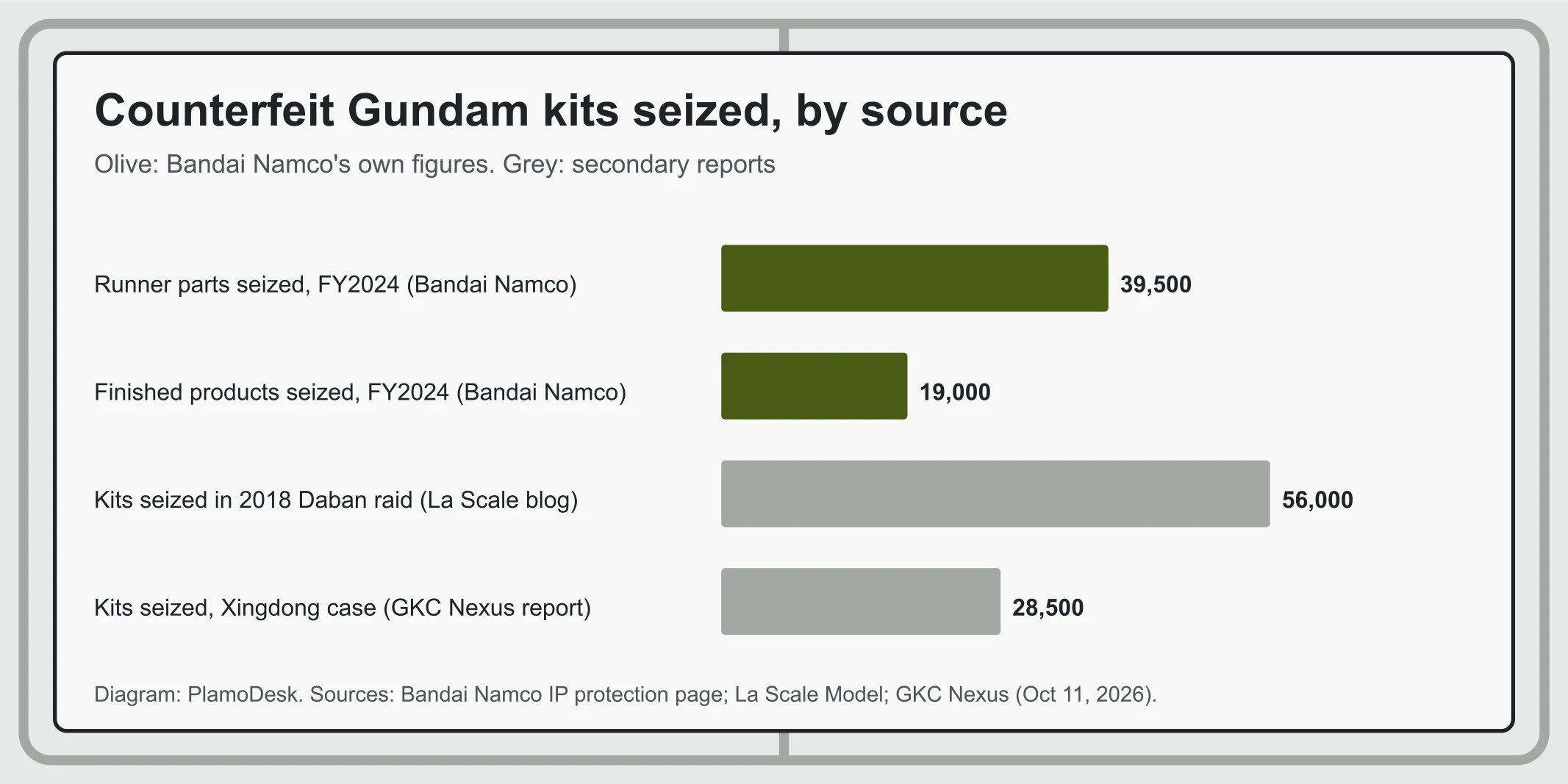 Diagram: PlamoDesk. Sources: Bandai Namco IP protection page; La Scale Model; GKC Nexus, read October 11, 2026.
Enforcement goes back years:
- 2010: Wikipedia records that "In April 2010, Bandai sued two Chinese toy manufacturers for manufacturing and selling counterfeit Gunpla kits", seeking 3.69 million RMB (about $540,000 by Wikipedia's figure).
- 2018: a retailer blog at La Scale Model reports that Chinese police raided Daban Model's factory in Shantou in August 2018, seized 56,000 kits, locked down 28 steel injection molds and arrested nine people. This is a secondary account.
- 2026: Bandai's Hobby Site for mainland China posted a notice dated August 7, 2026 about criminal action against the counterfeit maker known as the Xingdong factory and its sellers. GKC Nexus, reporting on that notice, says "more than 28,500 counterfeit Gundam plastic model products were seized during the investigation."
Step-by-Step: checking a listing before you pay
1. Find the kit's official item page. Search the exact name and grade on the Bandai Hobby Site. Note the grade, scale and Japan price. If the listing's name or grade matches nothing on Bandai's site, that is a warning sign.
2. Compare the price with a US shop. Look up the same kit at a named US shop. A kit far below what those shops ask deserves a closer look, though one retailer guide reminds buyers that "not every inexpensive kit is fake."
3. Read the maker on the box. If the box or listing names Daban, TT Hongli, Model GD, Elyn Hobby or Dragon Momoko, it is not a Bandai kit. La Scale Model reports that after the 2018 raid, Daban-linked kits came back "just in plain black boxes with no logo on the front."
4. Look for odd authenticity claims. La Scale Model describes knock-off boxes from Xiao Bai Long carrying holograms that read 「日本技术优质正货」, roughly "Japanese technology, quality genuine goods". A genuine kit does not need to tell you it is genuine in a hologram.
5. Ask the seller, then use the platform rules. eBay's policy says "Counterfeit or fake items aren't allowed on eBay" and that sellers may list an item only if they are certain it is genuine. Ask for photos of the box and runners before you buy.
6. Weigh the signs together. Gundam Place Store's guide says "A missing sticker or minor packaging difference by itself does not prove that a kit is counterfeit." One odd detail is a reason to check, not proof.
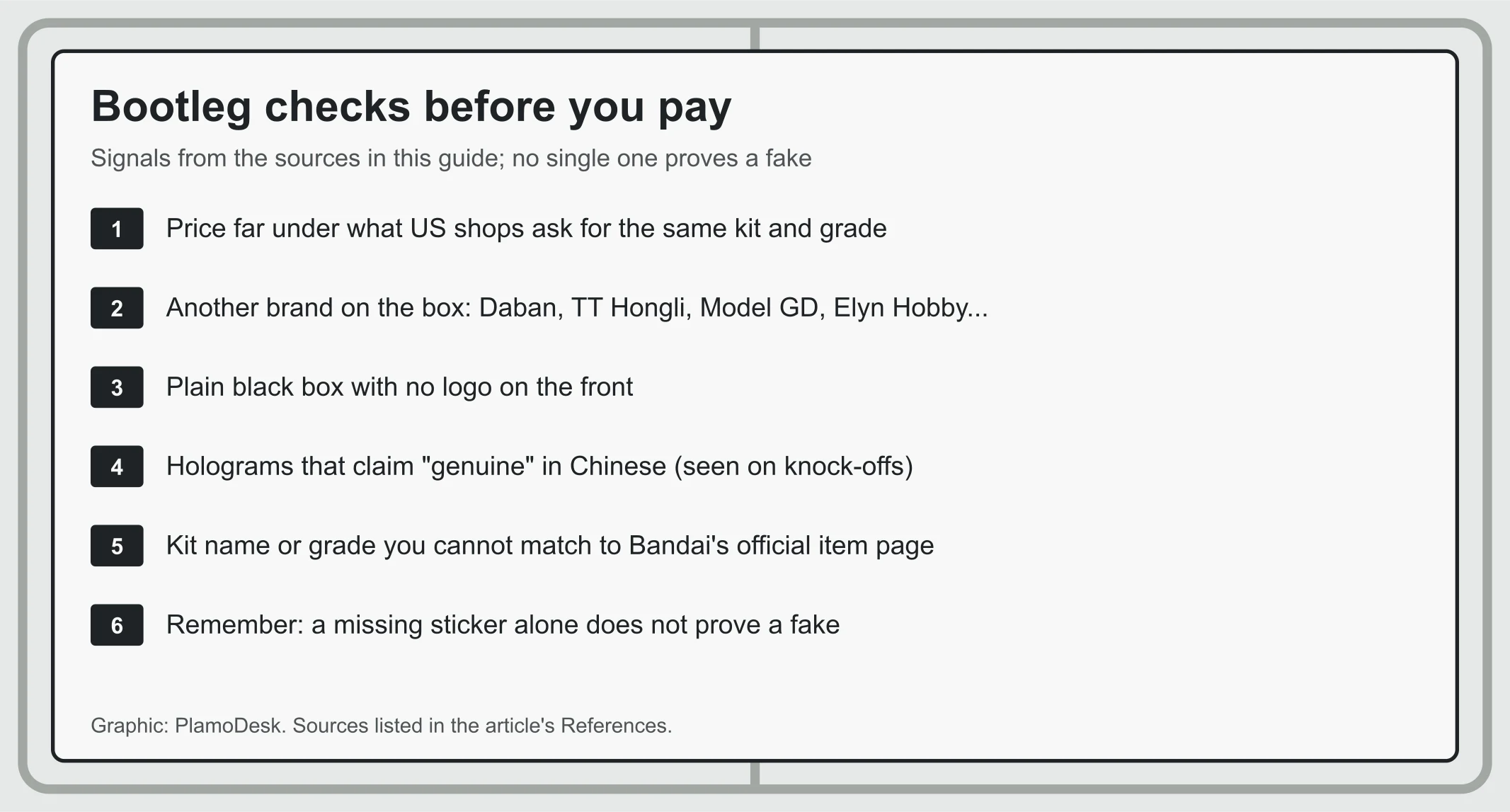 Graphic: PlamoDesk. Sources listed in the References below.
GODEEPER: Know what a fair price looks like before you shop. Best beginner Gunpla kits by budget →
Tips: buying safely in the US
- Use a shop that names the kit and grade. Our Gunpla release calendar links each upcoming kit to its official Bandai page so you can match names exactly.
- Do not look for a TAMASHII NATIONS sticker on Gunpla. Bandai Namco says Bandai Spirits applies forgery-prevention stickers to "all TAMASHII NATIONS brand products (excluding some products)". The page names that brand, not Gunpla, and does not say Gunpla boxes carry the same sticker.
- Treat marketplace volume with care. Amazon says that in 2023 it "identified, seized, and appropriately disposed of more than 7 million counterfeit products worldwide" and stopped more than 700,000 attempts to open new bad-actor selling accounts. Those are Amazon's own figures across all products, not Gunpla alone.
- Check the parts on arrival. Compare the runners with the parts list in the manual before you start cutting.
- Keep the listing and photos until you have checked the kit, so you have evidence if you need a platform refund.
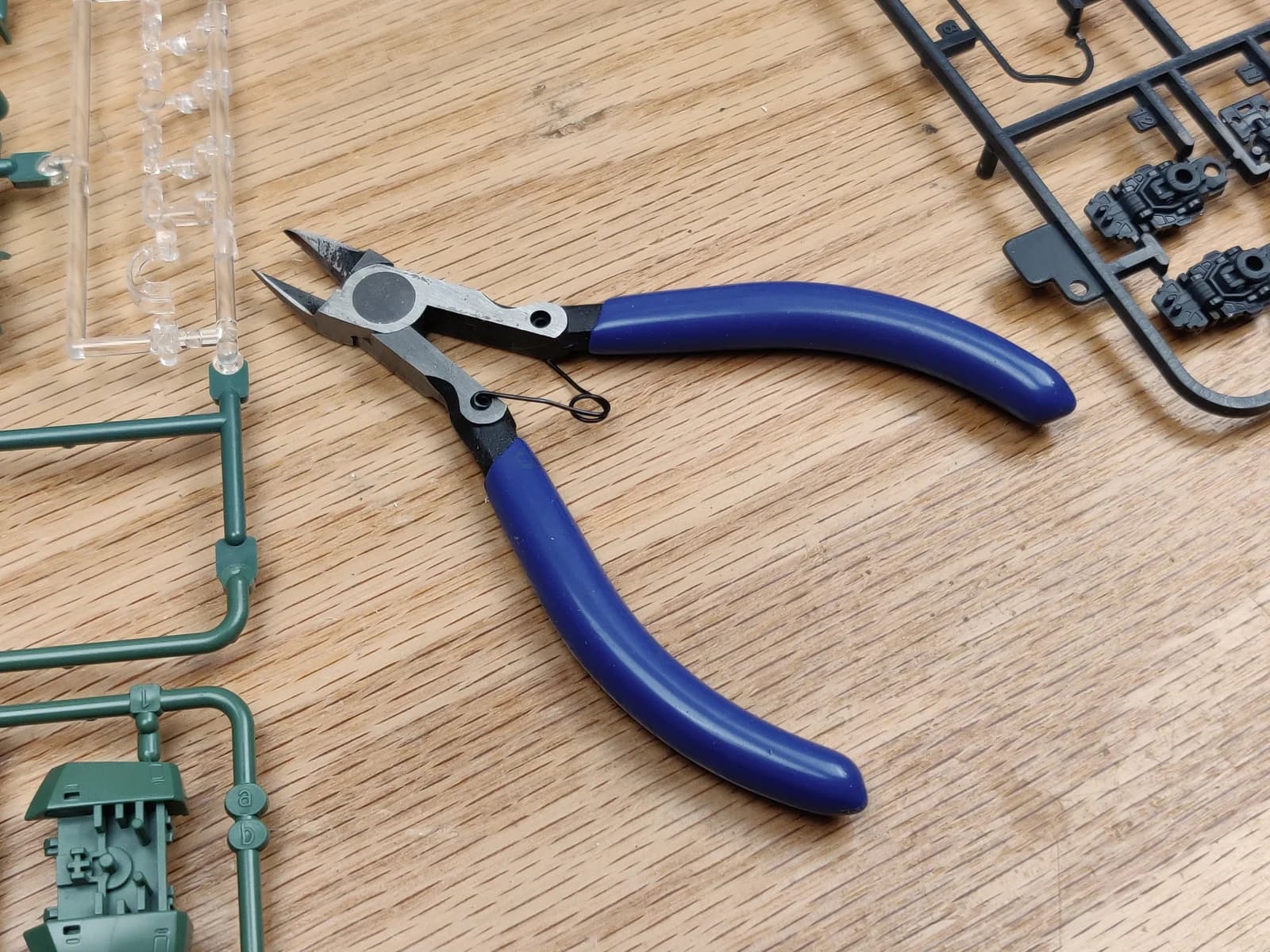
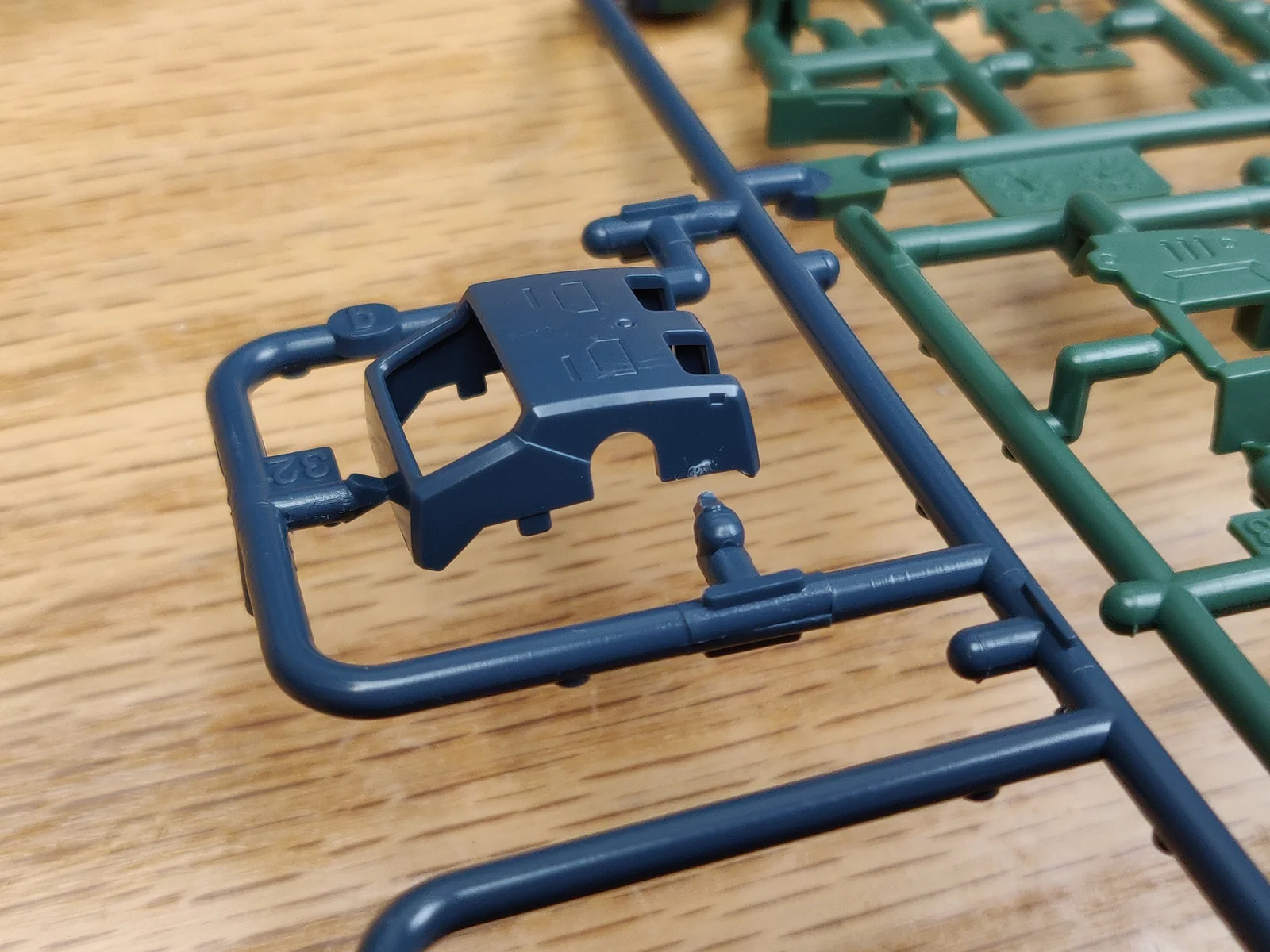 A genuine part at the gate after cutting. Photo: Gravis / Wikimedia Commons, CC BY-SA 4.0
What builders say
We could find only one first-hand account we could read in full on October 11, 2026: Reddit was not readable from our side, and the shop reviews and forum pages we searched had nothing on bootlegs. So this section has one source instead of two.
On the fan blog GundammIT!, the author B-kun looked back in April 2014 at a bootleg Geminass 01 from the "Ben Di" knock-off brand, kept for 14 years. The verdict, in the post itself: "I used to think that I would be fine just collecting bootlegs, that is until a few years later that the realization that I just wasted my hard-earned money on inferior knock-offs." On the aging: "The plastic turned yellow, which never happened to any of my Bandai kits that are just a year younger than this kit."
That is one collector's old kit, not a test of today's bootlegs, but it lines up with Bandai's own warning about poor quality.
What we could not confirm
We did not find a counterfeit notice on Bandai's US Hobby Site home page, an official list of authorized US retailers, or Gunpla-specific buyer advice on Bandai Namco's IP pages when we checked on October 11, 2026. We say so rather than guess. Bandai's copyright notice does state that "Unauthorized duplication or distribution is strictly prohibited."
GODEEPER: New releases are when bootleg listings are most tempting, because real stock is thin. Gunpla release schedule 2026 →
Our take
Based on Bandai Namco's figures and the marketplace policies above, bootlegs are common enough that every too-cheap listing deserves a check, but not every odd box is fake. The reliable test is boring: match the exact kit to its Bandai item page, compare the price with a named US shop, and read the maker on the box. A brand like Daban or a "genuine" hologram settles it. A missing sticker does not. If a seller cannot show the box and runners, buy elsewhere.
How we checked this
On October 11, 2026 we read Bandai Namco's English IP protection page, Bandai's Japanese anti-counterfeit page, Bandai Spirits' copyright notice and the notice on Bandai's Hobby Site for mainland China. We read Wikipedia's Gunpla article for the bootleg makers and the 2010 lawsuit, two La Scale Model posts and a GKC Nexus report (labeled as secondary), Gundam Place Store's guide (labeled as a retailer's opinion), eBay's counterfeit policy and Amazon's 2023 brand protection report. The builder quote comes from a fan blog post read in full. We did not buy or compare any kits ourselves. The source table has 23 fact rows.
Frequently Asked Questions
How can I tell if a Gunpla kit is a bootleg? Check four things: the brand on the box, the price, whether the kit matches a Bandai item page, and who sells it. Wikipedia names Daban, TT Hongli, Model GD, Elyn Hobby and Dragon Momoko as bootleg makers. A missing sticker alone does not prove a fake, so look for several signs together.
Is Gunpla made in China fake? Not by itself. Wikipedia notes that plastic Gundam kits are made in Japan or China by Bandai, which holds the exclusive license to make and market them. Made in China on the box is not a sign of a bootleg. A maker name other than Bandai is.
Are bootleg Gunpla kits safe? Not always. Bandai's Japanese anti-counterfeit page (bandai.co.jp) says many imitations are poor quality and that some have been found to fail safety standards and pose a risk of injury or health damage. That is the company's own statement; it does not name specific kits.
How many fake Gundam kits get seized? Bandai Namco says that in fiscal 2024 it seized about 19,000 counterfeit finished products and about 39,500 runner parts for Mobile Suit Gundam products. A secondary report on a 2026 case against the Xingdong factory counted more than 28,500 counterfeit kits seized.
Can I report a fake Gunpla listing on eBay or Amazon? Yes. eBay's policy says counterfeit items are not allowed, including any item designed to mislead buyers into thinking it is genuine. Sellers may list an item only if they are certain it is genuine. Amazon says it seized and disposed of more than 7 million counterfeit products worldwide in 2023.
Does Gunpla have an authenticity sticker? We could not confirm one. Bandai Namco says Bandai Spirits uses forgery-prevention stickers on all TAMASHII NATIONS brand products, excluding some products. The page names TAMASHII NATIONS, not Gunpla, and does not say the same sticker is used on Gunpla boxes.
Related Reading
- Gunpla Grades Explained: what HG, RG, MG and PG mean, so you can match a listing to the right grade.
- Gunpla Tools for Beginners: the nipper and markers to buy from the same trusted shop.
- Gunpla Releasing in November 2026: official names and Japan prices for next month's kits.
References
- Bandai Namco: Protection against infringement
- Bandai: anti-counterfeiting (Japanese)
- GundammIT!: Geminass 01 bootleg, fan blog, April 1, 2014
- Bandai Hobby Site (mainland China): notice of August 7, 2026
- Bandai Spirits: copyright and trademarks
- Gunpla, Wikipedia: bootleg makers, 2010 lawsuit, manufacturing
- La Scale Model: what happened to Daban Model and China's knockoff Gundam market (secondary)
- GKC Nexus: Bandai criminal action against Xingdong (secondary)
- Gundam Place Store: how to spot fake Gunpla (retailer guide)
- eBay: counterfeit item policy
- Amazon Brand Protection Report 2023
Was this guide helpful?
About the author

Editorial desk
The PlamoDesk desk. Every article is built from a source file: Bandai Hobby schedule and item pages, maker pages for tools, dated US shop prices and quoted builder comments, each linked in the article.
Keep reading
New Gunpla Releasing in November 2026: Bandai's 18-Item List
Release Calendar · 9 min
Gunpla Release Schedule 2026: How to Read Bandai's Calendar
Release Calendar · 14 min
Best Beginner Gunpla Kits by Budget: Under $20, $40, $70
Beginner Guides · 9 min
Gunpla Tools for Beginners: What to Buy First (2026)
Tools · 9 min
Gunpla Grades Explained: HG, RG, MG, PG and More (2026)
Beginner Guides · 14 min
Disclaimer
This article is published for informational and entertainment purposes. It does not constitute professional financial, legal, or technical advice. Game performance, online services, patch schedules, and store listings change. Verify critical details (pricing, system requirements, regional availability) with publishers and storefronts before you buy. Affiliate links, where present, help support our editorial work and are labelled in our affiliate disclosure.